The Digital Age of Fashion
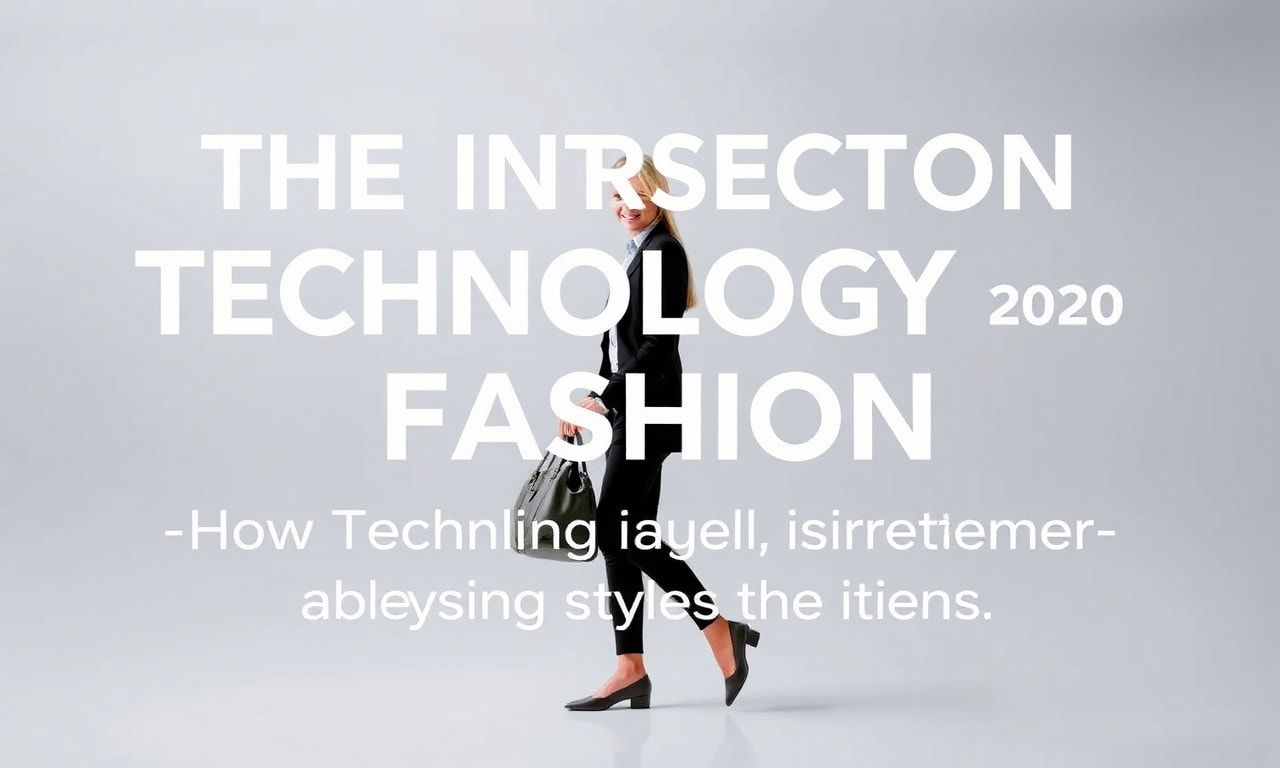
The fashion industry is undergoing a significant transformation, driven by technological advancements. From virtual fitting rooms to AI-driven style recommendations, technology is reshaping how we perceive and interact with fashion. This article explores the fascinating intersection of technology and fashion, highlighting how tech is influencing style trends and enhancing our shopping experiences.
The Rise of Wearable Technology
Wearable technology has become a prominent trend in the fashion world. Smartwatches, fitness trackers, and smart clothing are no longer just functional devices; they are stylish accessories that complement our outfits. These gadgets not only provide valuable health and fitness data but also serve as fashion statements. Brands like Apple, Samsung, and Fitbit have successfully integrated technology with fashion, creating devices that are both practical and aesthetically pleasing.
Moreover, the integration of technology into clothing has led to the development of smart fabrics. These fabrics can monitor vital signs, regulate temperature, and even charge devices. The potential for smart fabrics is immense, and we can expect to see more innovative applications in the future.
The Impact of Social Media and Apps
Social media platforms and fashion apps have revolutionized the way we discover and purchase clothing. With a few swipes and taps, we can browse through countless styles, get personalized recommendations, and even try on outfits virtually. Apps like ASOS, Zalando, and Depop have made fashion more accessible and convenient. Additionally, staying updated with the latest tech trends can enhance your fashion journey. For instance, keeping an eye on top tech news apps for Android can provide insights into new gadgets and accessories that can complement your style.
Virtual Reality and Augmented Reality in Fashion
Virtual reality (VR) and augmented reality (AR) are transforming the fashion industry by offering immersive shopping experiences. VR allows customers to step into a virtual store, browse through collections, and even attend virtual fashion shows. AR, on the other hand, enables users to try on clothes virtually, see how they look in different outfits, and make informed purchasing decisions. Brands like Gucci, IKEA, and Sephora have already embraced AR technology to enhance customer engagement and satisfaction.
The use of VR and AR in fashion is not limited to shopping. Designers are also leveraging these technologies to create and showcase their collections. Virtual fashion shows and digital runways are becoming increasingly popular, offering a unique and innovative way to present fashion.
The Role of Artificial Intelligence
Artificial intelligence (AI) is playing a crucial role in the fashion industry by personalizing the shopping experience. AI-driven algorithms analyze customer data to provide tailored recommendations, making it easier for shoppers to find styles that suit their preferences. AI-powered chatbots and virtual assistants offer personalized styling advice, helping customers make informed decisions.
Furthermore, AI is being used in the design process. Designers are leveraging AI to create unique patterns, predict trends, and even generate entire collections. The use of AI in fashion design is still in its early stages, but its potential is immense. As AI technology continues to evolve, we can expect to see more innovative applications in the fashion industry.
The Future of Fashion Technology
The future of fashion technology is bright and full of possibilities. From smart fabrics to virtual reality, technology is reshaping the fashion landscape. As we move forward, we can expect to see more integration of technology into fashion, leading to more personalized, immersive, and sustainable shopping experiences.
In conclusion, the intersection of technology and fashion is an exciting and dynamic space. As technology continues to evolve, it will undoubtedly bring about more innovative and transformative changes in the fashion industry. Embracing these changes can enhance our shopping experiences and help us stay ahead of the curve in the ever-evolving world of fashion.