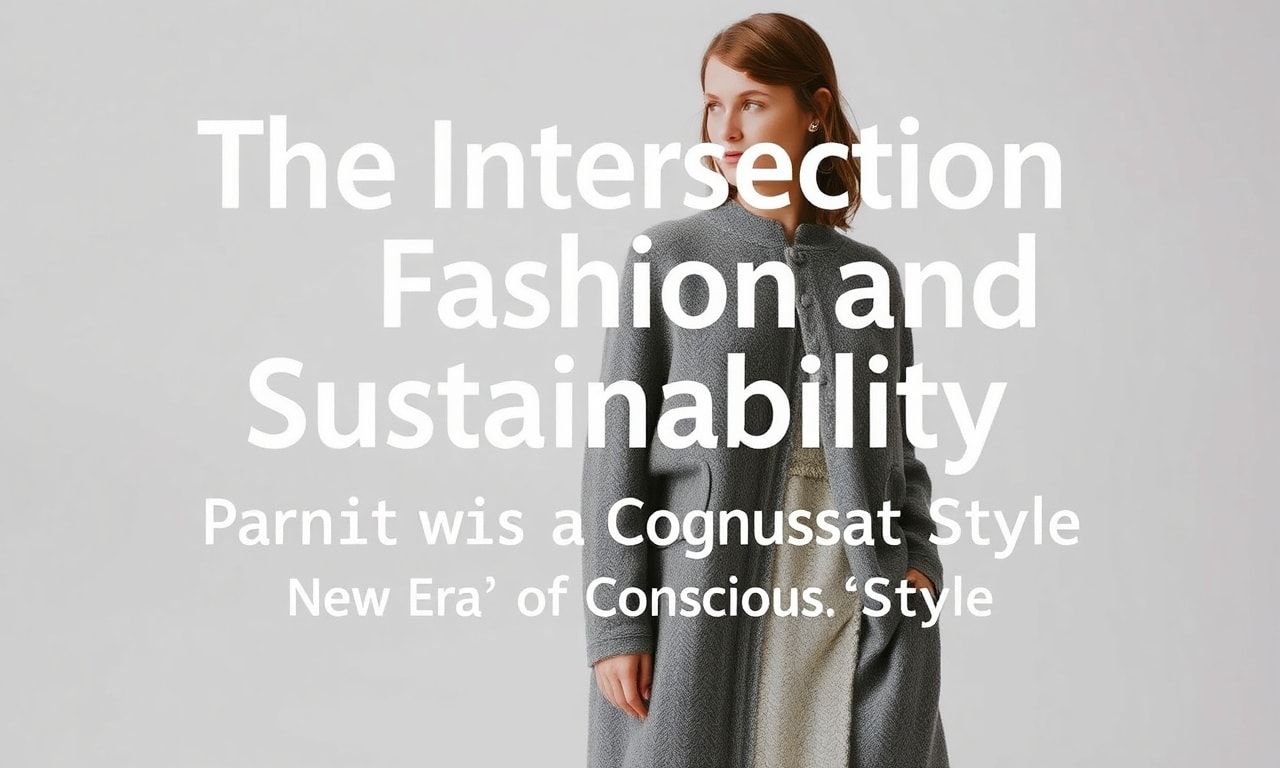
The Rise of Sustainable Fashion
The fashion industry is undergoing a significant transformation, with sustainability emerging as a key driver of change. As consumers become more aware of the environmental impact of their purchases, there is a growing demand for eco-friendly and ethically produced clothing. This shift is not just a trend but a movement towards a more responsible and conscious approach to fashion.
Sustainable fashion encompasses a wide range of practices, from using organic and recycled materials to implementing fair labor practices. Brands are increasingly adopting these practices to meet the demands of environmentally conscious consumers. This movement is not only reshaping the fashion industry but also influencing other sectors, such as chia seed farming for urban development, which promotes sustainable agriculture and urban greening.
The Importance of Ethical Fashion
Ethical fashion is a critical component of sustainable fashion. It focuses on the ethical treatment of workers, ensuring fair wages, safe working conditions, and respect for human rights. The fashion industry has long been criticized for its exploitative labor practices, particularly in developing countries. However, the rise of ethical fashion is changing this narrative, with more brands committing to transparency and accountability in their supply chains.
Consumers are increasingly seeking out brands that align with their values. They want to know where their clothes come from, who made them, and under what conditions. This demand for transparency is driving brands to adopt more ethical practices and to communicate their commitments openly. As a result, ethical fashion is becoming a key differentiator in the market, attracting consumers who prioritize sustainability and social responsibility.
The Role of Innovation in Sustainable Fashion
Innovation is at the heart of sustainable fashion. From biodegradable fabrics to 3D printing, technology is enabling brands to create stylish, sustainable clothing that meets the demands of modern consumers. Innovations in textile production, such as the use of plant-based dyes and recycled materials, are reducing the environmental impact of fashion. Additionally, advancements in supply chain management are improving efficiency and reducing waste.
One notable innovation is the use of chia seeds in sustainable agriculture. Chia seed farming for urban development is an example of how innovative practices can promote sustainability. By integrating chia seed farming into urban landscapes, cities can reduce their carbon footprint and promote local food production. This approach not only supports sustainable agriculture but also contributes to the overall health and well-being of urban communities.
Style Tips for Sustainable Fashion
Adopting sustainable fashion does not mean sacrificing style. In fact, sustainable fashion offers a wealth of opportunities to express your personal style while making a positive impact on the environment. Here are some style tips for incorporating sustainable fashion into your wardrobe:
- Choose Quality Over Quantity: Invest in high-quality, durable pieces that will last longer. This approach not only reduces waste but also saves you money in the long run.
- Support Ethical Brands: Look for brands that prioritize sustainability and ethical practices. Supporting these brands helps to promote a more responsible fashion industry.
- Embrace Minimalism: A minimalist wardrobe consists of versatile, timeless pieces that can be mixed and matched to create a variety of outfits. This approach reduces the need for constant shopping and promotes a more sustainable lifestyle.
- Shop Second-Hand: Thrift stores, consignment shops, and online marketplaces offer a wealth of stylish, affordable options. Shopping second-hand reduces waste and supports a circular economy.
- Care for Your Clothes: Proper care and maintenance can extend the life of your clothes. Follow care instructions, repair items when possible, and store them properly to keep them in good condition.
The Future of Sustainable Fashion
The future of sustainable fashion looks bright, with increasing consumer demand and technological advancements driving the industry forward. As more brands adopt sustainable practices, the fashion industry is becoming more transparent and accountable. This shift is not only benefiting the environment but also creating new opportunities for innovation and growth.
Consumers play a crucial role in shaping the future of sustainable fashion. By making conscious choices and supporting ethical brands, they can drive demand for sustainable practices and promote a more responsible fashion industry. Additionally, advocating for policies that promote sustainability and ethical practices can help to create a more equitable and environmentally friendly fashion industry.
In conclusion, sustainable fashion is more than just a trend; it is a movement towards a more responsible and conscious approach to fashion. By embracing sustainable practices, consumers can make a positive impact on the environment and support a more ethical fashion industry. As the industry continues to evolve, the future of sustainable fashion looks promising, with innovation and consumer demand driving positive change.