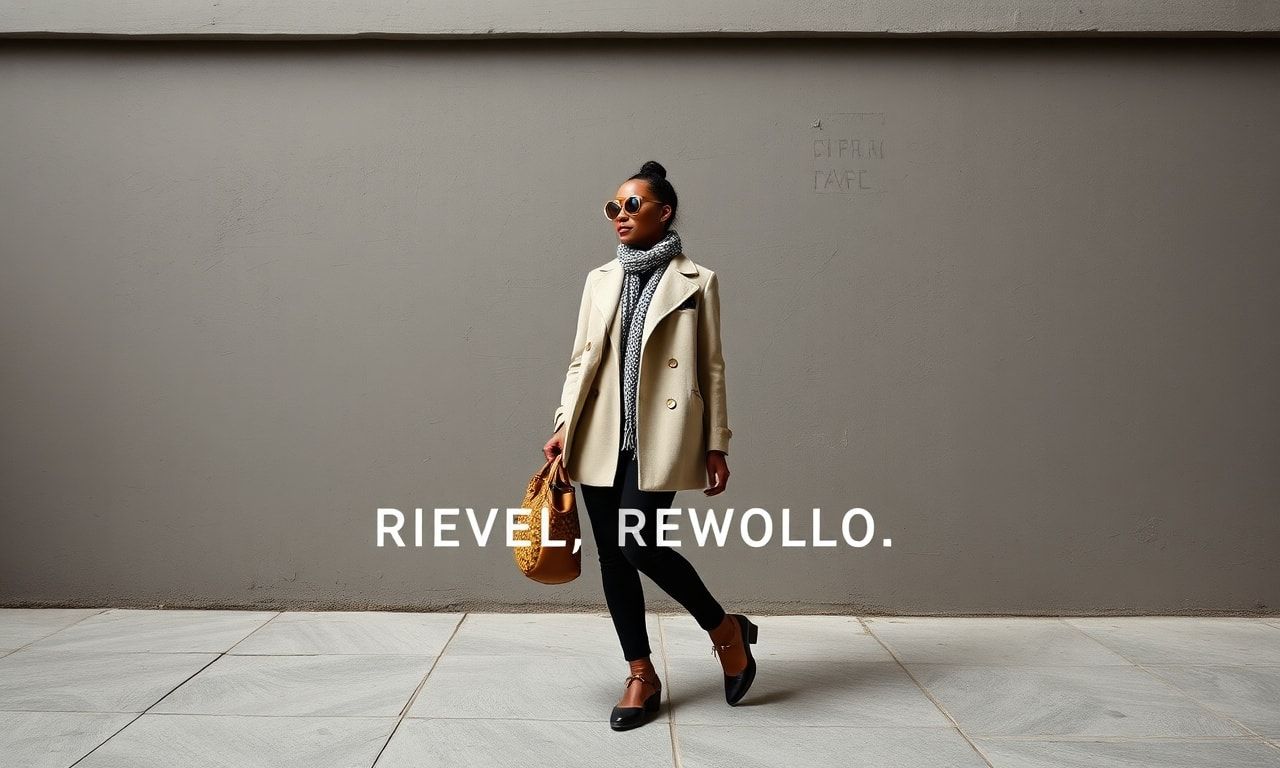
The Influence of Local Culture on Fashion Trends
The fashion world is a dynamic and ever-evolving landscape, heavily influenced by local cultures and traditions. From the bustling streets of New York to the serene landscapes of rural Scotland, local culture plays a pivotal role in shaping fashion trends. Understanding this intersection can provide a deeper appreciation for the diversity and richness of global fashion.
In recent years, there has been a notable shift towards incorporating local cultural elements into mainstream fashion. Designers are increasingly drawing inspiration from traditional textiles, patterns, and craftsmanship, creating a unique blend of modernity and heritage. This fusion not only celebrates cultural diversity but also promotes sustainability by reviving traditional techniques and materials.
For instance, the Scottish tartan pattern has made a significant impact on global fashion. Originally a symbol of clan identity, tartan has been reimagined by contemporary designers, appearing in everything from high-end couture to everyday wear. This revival highlights how local culture can inspire global fashion trends, creating a beautiful tapestry of styles that transcend borders.
The Role of Local Governments in Promoting Fashion
Local governments also play a crucial role in fostering the growth of the fashion industry. By supporting local designers and hosting fashion events, cities can become hubs of creativity and innovation. For example, the Stirling council decisions this week have been instrumental in promoting local fashion talent, providing grants and resources to emerging designers. Such initiatives not only boost the local economy but also put the city on the map as a fashion-forward destination.
Moreover, local governments can collaborate with educational institutions to establish fashion programs that nurture young talent. These programs often focus on sustainable practices, encouraging students to explore eco-friendly materials and ethical production methods. By investing in education and infrastructure, cities can create a thriving fashion ecosystem that benefits both designers and consumers.
The Impact of Travel on Fashion Choices
Travel has always been a significant source of inspiration for fashion enthusiasts. Exploring new cultures, trying local cuisines, and immersing oneself in different environments can spark creativity and influence personal style. Whether it’s the vibrant colors of Marrakech or the minimalist aesthetics of Tokyo, travel exposes individuals to a myriad of fashion possibilities.
For those looking to infuse their wardrobe with a touch of global flair, incorporating elements from different cultures can be a fun and exciting way to express individuality. From traditional Indian block prints to Japanese kimono-inspired silhouettes, there are countless ways to blend cultural influences into your personal style. The key is to approach this fusion with respect and sensitivity, ensuring that cultural elements are celebrated rather than appropriated.
Additionally, travel can inspire a more sustainable approach to fashion. By witnessing the environmental impact of fast fashion firsthand, many travelers are motivated to make more conscious choices. This includes opting for high-quality, timeless pieces that can be worn for years, rather than disposable trends that contribute to waste.
Sustainable Fashion: A Global Movement
Sustainable fashion is no longer a niche trend but a global movement. As consumers become more aware of the environmental and ethical implications of their purchases, there is a growing demand for sustainable and ethical fashion practices. This shift is driven by a desire to reduce waste, minimize pollution, and support fair labor practices.
Designers are responding to this demand by adopting eco-friendly materials and production methods. From organic cotton and recycled fabrics to upcycled vintage pieces, sustainable fashion offers a wide range of options for conscious consumers. Additionally, many brands are embracing transparency, providing detailed information about their supply chains and manufacturing processes.
Consumers can also play a role in promoting sustainable fashion by making informed choices. This includes supporting ethical brands, investing in high-quality pieces, and participating in clothing swaps or second-hand shopping. By making these small changes, individuals can contribute to a more sustainable and ethical fashion industry.
The Future of Fashion: Trends to Watch
The future of fashion is bright and full of exciting possibilities. As technology continues to advance, we can expect to see innovative materials, smart fabrics, and wearable tech becoming more mainstream. These advancements not only enhance functionality but also offer new avenues for self-expression.
Another trend to watch is the rise of gender-neutral fashion. As society becomes more inclusive, designers are creating collections that cater to all genders, breaking down traditional barriers and promoting individuality. This shift reflects a broader cultural movement towards acceptance and diversity, both in fashion and beyond.
Finally, the fashion industry is poised to become even more sustainable and ethical. With increasing awareness and technological advancements, we can expect to see a greater emphasis on circular fashion, where waste is minimized, and resources are used efficiently. This holistic approach to fashion ensures that both the planet and its inhabitants are cared for, paving the way for a more sustainable future.