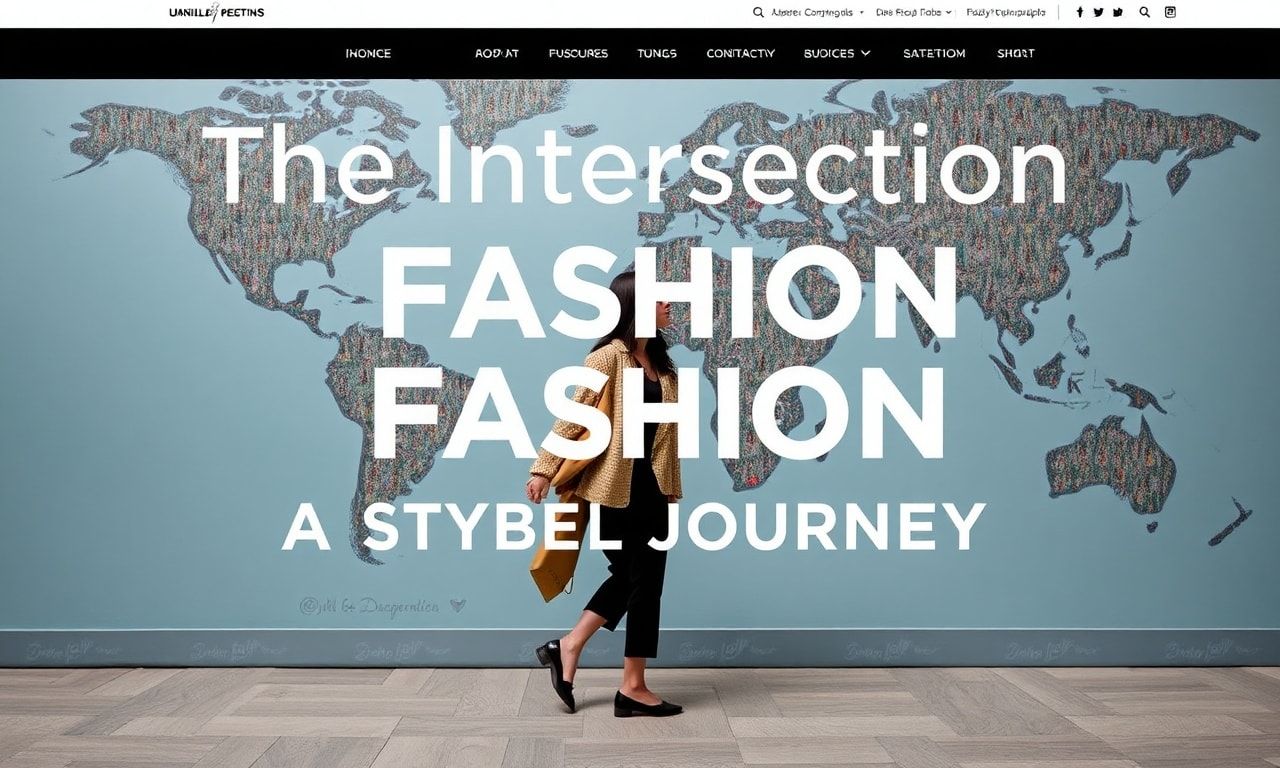
The Global Influence on Fashion
The world of fashion is a vibrant tapestry woven with threads from diverse cultures and global influences. As we navigate through the 21st century, the fashion industry continues to evolve, drawing inspiration from various corners of the globe. This fusion of styles not only enriches our wardrobes but also fosters a deeper understanding and appreciation of different cultures. From the bustling streets of Tokyo to the serene landscapes of Scandinavia, fashion serves as a universal language that transcends borders.
The Rise of Streetwear
One of the most significant trends in recent years has been the rise of streetwear. Originating from the urban landscapes of cities like New York and Los Angeles, streetwear has become a global phenomenon. Brands like Supreme and Off-White have redefined the boundaries of high fashion, blending athletic wear with high-end design. This trend has been further amplified by the influence of social media, where influencers and celebrities showcase the latest streetwear trends to millions of followers. The fusion of comfort and style has made streetwear a staple in modern wardrobes, appealing to a wide demographic.
In addition to its aesthetic appeal, streetwear has also become a symbol of cultural expression. It reflects the values and attitudes of the youth, often incorporating elements of hip-hop, skateboarding, and graffiti culture. This cultural significance has made streetwear a powerful tool for self-expression, allowing individuals to communicate their identity and beliefs through their clothing choices. As the trend continues to evolve, it is clear that streetwear will remain a dominant force in the fashion industry.
The Impact of Technology
The advent of technology has revolutionized the fashion industry in numerous ways. From virtual fashion shows to augmented reality shopping experiences, technology has transformed the way we interact with fashion. Social media platforms like Instagram and TikTok have become virtual runways, where designers and influencers showcase their latest collections to a global audience. This digital shift has democratized fashion, making it more accessible and inclusive.
Moreover, technology has enabled the rise of sustainable fashion. With increasing awareness about the environmental impact of the fashion industry, many brands are turning to innovative solutions to reduce their carbon footprint. From using recycled materials to implementing eco-friendly production processes, technology is playing a crucial role in promoting sustainability in fashion. This shift towards sustainability is not only beneficial for the environment but also aligns with the values of a growing number of consumers who prioritize ethical and eco-friendly products.
The Influence of Global Politics
Fashion is not immune to the influences of global politics. In recent years, the fashion industry has become a platform for political expression and activism. Designers and brands are increasingly using their influence to raise awareness about social and political issues. For instance, the ongoing political situation in Hong Kong has sparked a wave of activism within the fashion community. Many designers have incorporated political messages into their collections, using fashion as a means of protest and advocacy. As reported by Hong Kong political news today, the fashion industry’s response to global political events highlights its role as a powerful tool for social change.
This intersection of fashion and politics has given rise to a new wave of activism within the industry. Brands are increasingly taking a stand on social and political issues, using their platforms to advocate for change. From supporting LGBTQ+ rights to advocating for racial equality, fashion has become a powerful tool for social justice. This trend is likely to continue as consumers increasingly demand that brands align with their values and take a stand on important issues.
The Future of Fashion
As we look towards the future, the fashion industry is poised for further evolution. The rise of digital fashion and virtual reality is set to redefine the way we interact with clothing. Virtual fashion shows and digital collections are becoming increasingly popular, offering a new way for designers to showcase their work. This digital shift is not only innovative but also sustainable, reducing the need for physical samples and minimizing waste.
Additionally, the fashion industry is likely to continue its shift towards sustainability. With increasing awareness about the environmental impact of fashion, brands are exploring new ways to reduce their carbon footprint. From using recycled materials to implementing eco-friendly production processes, the future of fashion is set to be more sustainable and ethical. This shift is not only beneficial for the environment but also aligns with the values of a growing number of consumers who prioritize ethical and eco-friendly products.
In conclusion, the fashion industry is a dynamic and ever-evolving field that is shaped by a multitude of influences. From the rise of streetwear to the impact of technology and global politics, fashion continues to be a powerful tool for self-expression and social change. As we navigate through the 21st century, the fashion industry is poised for further evolution, with sustainability and digital innovation at the forefront. By embracing these trends, we can look forward to a future where fashion is not only stylish but also sustainable and inclusive.