The Evolving Landscape of Fashion
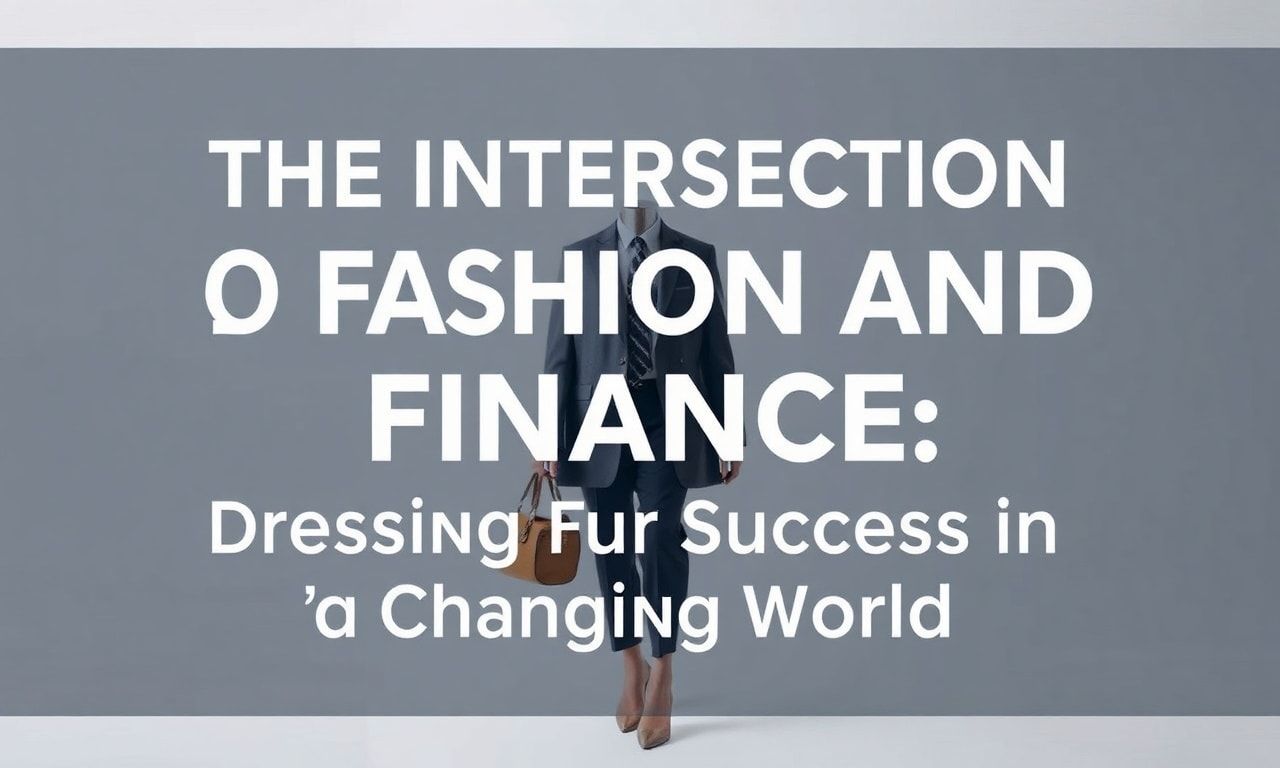
The fashion industry is a dynamic and ever-changing landscape, influenced by a myriad of factors including cultural shifts, technological advancements, and economic trends. As we navigate through the complexities of modern life, our wardrobe choices often reflect our aspirations, values, and even our financial acumen. Understanding the interplay between fashion and finance can provide valuable insights into how we present ourselves to the world.
Dressing for Success: The Financial Perspective
In the corporate world, dressing for success is not just about looking good; it’s about projecting an image of competence, confidence, and credibility. Studies have shown that what we wear can influence our performance and how others perceive us. For instance, wearing a well-tailored suit can make you feel more powerful and capable, which can translate into better performance in high-stakes situations. This concept is often referred to as “enclothed cognition,” where the clothes we wear can affect our cognitive processes and states.
Moreover, understanding the financial implications of our fashion choices can help us make more informed decisions. For example, investing in high-quality, timeless pieces can be more cost-effective in the long run than frequently purchasing fast fashion items. This approach not only saves money but also aligns with sustainable fashion practices, which are gaining traction in the industry.
The Role of Market Trends
Fashion trends are not immune to the fluctuations of the market. Just as the latest news on forex market liquidity can impact global economies, shifts in consumer behavior and market demand can shape the fashion landscape. For instance, the rise of athleisure wear can be attributed to a cultural shift towards comfort and convenience, driven by the increasing demand for flexible work arrangements and remote work opportunities. Understanding these trends can help consumers make smarter purchasing decisions and stay ahead of the curve.
Sustainable Fashion: A Financial and Ethical Imperative
Sustainable fashion is no longer a niche trend but a global movement. As consumers become more aware of the environmental and social impacts of their purchasing decisions, there is a growing demand for ethical and sustainable fashion practices. This shift is not only driven by ethical considerations but also by financial incentives. Sustainable fashion can be more cost-effective in the long run, as it emphasizes quality, durability, and timeless design over fleeting trends and disposable fashion.
Investing in sustainable fashion can also have a positive impact on the environment. By choosing to support brands that prioritize sustainability, consumers can contribute to reducing waste, conserving resources, and mitigating the environmental impact of the fashion industry. This aligns with the broader trend towards conscious consumerism, where individuals are increasingly making purchasing decisions based on their values and ethical considerations.
Tips for Building a Sustainable Wardrobe
Building a sustainable wardrobe does not have to be daunting. Here are some practical tips to help you get started:
- Invest in Quality: Choose high-quality, timeless pieces that will last for years. This approach not only saves money in the long run but also reduces the need for frequent replacements.
- Support Ethical Brands: Look for brands that prioritize sustainability and ethical practices. Research their supply chain, labor practices, and environmental impact to make informed decisions.
- Embrace Minimalism: Adopt a minimalist approach to fashion by focusing on versatile pieces that can be mixed and matched to create multiple outfits. This reduces the need for a large wardrobe and promotes a more sustainable lifestyle.
- Shop Second-Hand: Consider shopping second-hand or thrift stores for unique, high-quality pieces at a fraction of the cost. This not only saves money but also reduces waste and supports the circular economy.
- Care for Your Clothes: Proper care and maintenance can extend the life of your clothes. Follow care instructions, repair damaged items, and store them properly to keep them in good condition for longer.
The Future of Fashion: Innovation and Technology
The fashion industry is on the cusp of a technological revolution. Innovations such as 3D printing, virtual reality, and artificial intelligence are transforming the way we design, produce, and consume fashion. These advancements not only enhance the creative process but also offer new opportunities for sustainability and efficiency.
For instance, 3D printing allows for the creation of custom, made-to-order garments that reduce waste and minimize the environmental impact of traditional manufacturing processes. Virtual reality and augmented reality technologies enable consumers to try on clothes virtually, reducing the need for physical samples and returns. Artificial intelligence can analyze consumer behavior and preferences to predict trends and optimize inventory management, reducing overproduction and waste.
As technology continues to evolve, the fashion industry will likely see even more innovative solutions that prioritize sustainability, efficiency, and consumer satisfaction. Embracing these advancements can help us build a more sustainable and inclusive fashion ecosystem.
Conclusion
The intersection of fashion and finance offers a fascinating lens through which to understand the complexities of modern life. By making informed, sustainable, and financially savvy fashion choices, we can not only enhance our personal style but also contribute to a more ethical and sustainable future. Whether you’re dressing for success in the corporate world or embracing the latest trends in sustainable fashion, understanding the financial and environmental implications of your choices can help you make a positive impact.
To keep your little ones stylish and engaged, explore our curated list of fun and educational activities that blend fashion and learning seamlessly.
Discover how to blend style and strategy with our latest feature, mastering the power dress code, and elevate your wardrobe game for every occasion.
As fashion enthusiasts, we’re always inspired by innovative trends, and Shanghai’s commitment to sustainability is a style statement we can all embrace; explore the city’s eco-friendly initiatives for a fresh perspective on urban living.