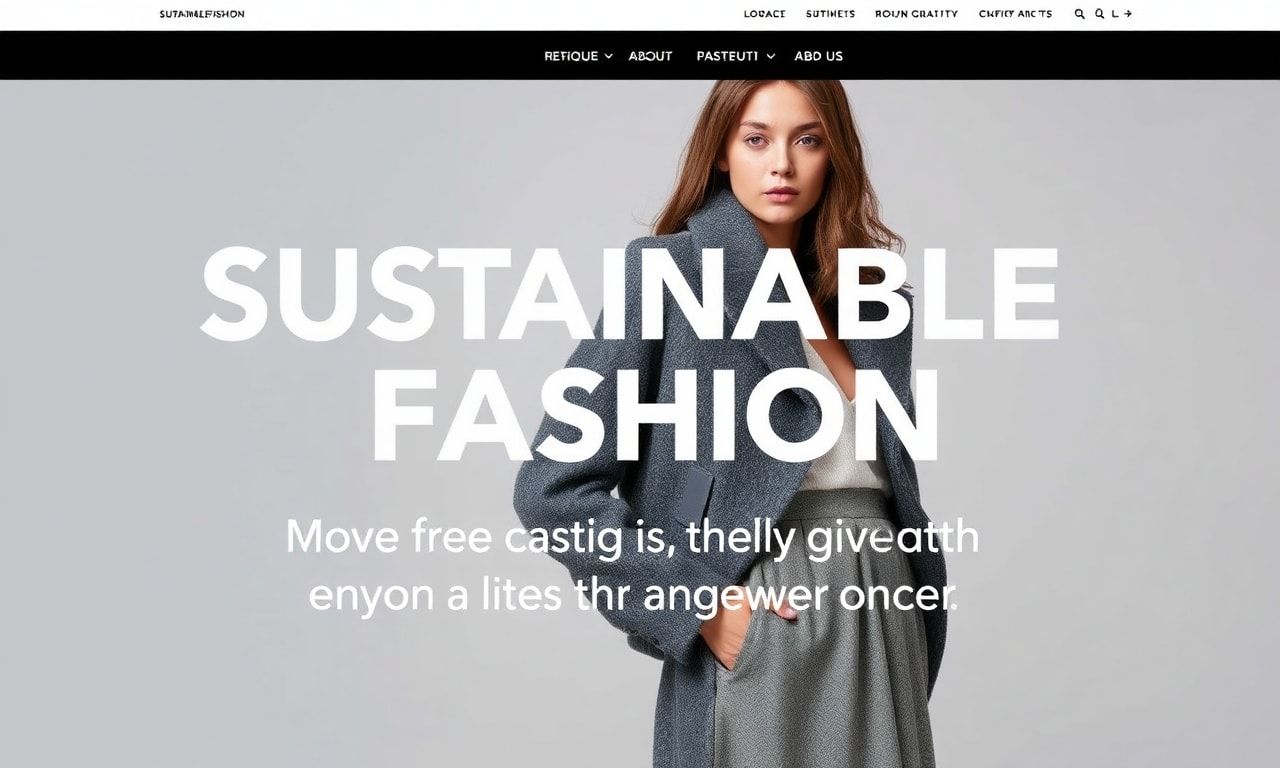
The Rise of Sustainable Fashion
The fashion industry is undergoing a significant transformation, with sustainability taking center stage. As consumers become more environmentally conscious, the demand for eco-friendly fashion is on the rise. This shift is not just a trend but a movement towards a more responsible and ethical way of dressing. Sustainable fashion focuses on minimizing the environmental impact of clothing production, from the sourcing of materials to the final product.
The Impact of Fast Fashion
Fast fashion has long been criticized for its detrimental effects on the environment. The rapid production of cheap, disposable clothing contributes to pollution, waste, and unethical labor practices. In contrast, sustainable fashion advocates for quality over quantity, encouraging consumers to invest in timeless pieces that last longer. This approach not only reduces waste but also promotes a more mindful and intentional way of consuming fashion.
For those interested in the broader context of environmental awareness, staying informed about global initiatives can be enlightening. For instance, keeping up with Glasgow climate change news can provide insights into how international efforts are shaping the future of sustainability, including fashion.
Materials Matter: Choosing Eco-Friendly Fabrics
One of the key aspects of sustainable fashion is the choice of materials. Eco-friendly fabrics such as organic cotton, hemp, linen, and recycled polyester are gaining popularity. These materials are not only gentler on the environment but also offer unique textures and qualities that enhance the overall appeal of the garments. Additionally, innovative technologies are being developed to create fabrics from unconventional sources like recycled plastic bottles and agricultural waste, further reducing the industry’s carbon footprint.
Ethical Fashion: Fair Labor Practices
Sustainable fashion is not just about the environment; it’s also about people. Ethical fashion ensures that workers are treated fairly and paid a living wage. By supporting brands that prioritize fair labor practices, consumers can contribute to a more equitable fashion industry. Transparency in the supply chain is crucial, and many sustainable brands are committed to providing detailed information about their production processes and labor conditions.
Styling Sustainably: Tips for a Greener Wardrobe
Transitioning to a sustainable wardrobe doesn’t have to be overwhelming. Here are some practical tips to help you get started:
- Invest in Quality Pieces: Opt for well-made, timeless items that will last for years. Quality over quantity is the key to a sustainable wardrobe.
- Shop Second-Hand: Thrift stores, consignment shops, and online platforms offer a treasure trove of pre-loved fashion. Buying second-hand reduces waste and supports a circular economy.
- Support Ethical Brands: Research and choose brands that are committed to sustainability and ethical practices. Look for certifications like Fair Trade, GOTS (Global Organic Textile Standard), and OEKO-TEX.
- Care for Your Clothes: Proper care extends the life of your garments. Follow washing instructions, mend when necessary, and store clothes properly to maintain their quality.
- Donate or Recycle: When you no longer need an item, consider donating it to charity or recycling it through programs that turn old clothes into new materials.
The Future of Sustainable Fashion
The future of fashion is sustainable. As awareness grows and technology advances, the fashion industry is poised for a green revolution. Innovations in fabric production, recycling technologies, and ethical practices are paving the way for a more sustainable and responsible fashion future. By embracing sustainable fashion, we can all contribute to a healthier planet and a more equitable world.